What Are Maintenance Reserves?
Understanding the financial mechanism that protects aircraft asset value throughout the lease term.
When an aircraft is leased, the responsibility for maintaining it sits with the lessee, the airline or operator. But the financial exposure of major maintenance events sits with the asset. Maintenance reserves exist to bridge that gap.
They are periodic payments made by the lessee to the lessor, accruing throughout the lease term, specifically to fund the cost of scheduled heavy maintenance events. They are not a penalty and they are not profit. They are a financial mechanism designed to ensure that when a major maintenance event falls due, the funds to address it have been building all along.
Why Do Maintenance Reserves Exist?
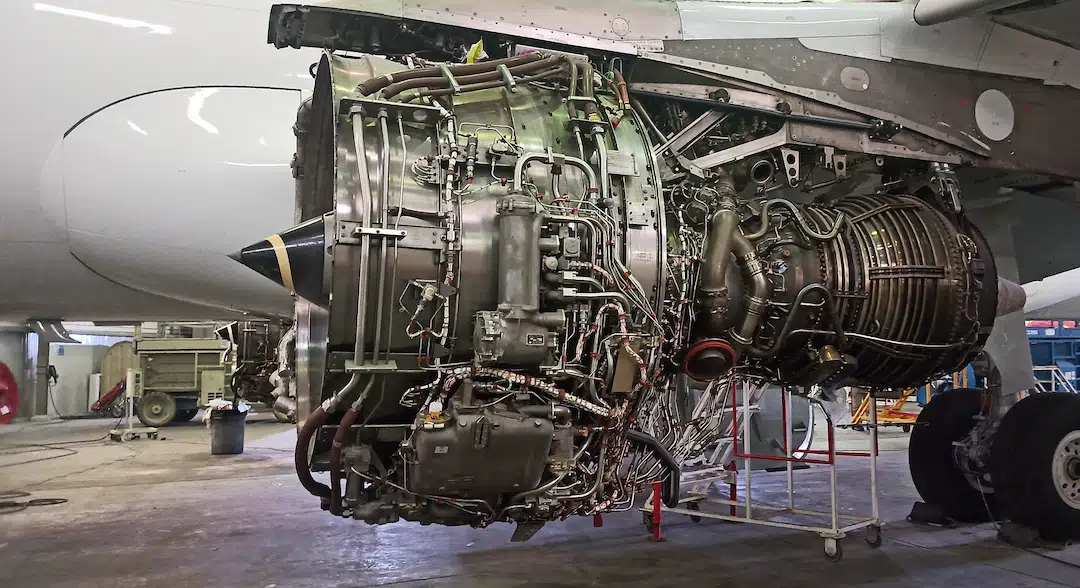
Aircraft maintenance is not linear. Day-to-day costs are manageable, but certain events, such as engine shop visits, landing gear overhauls, and heavy structural checks, are expensive, infrequent, and entirely predictable. An engine shop visit on a narrowbody aircraft can cost several million dollars. A full structural check is not far behind.
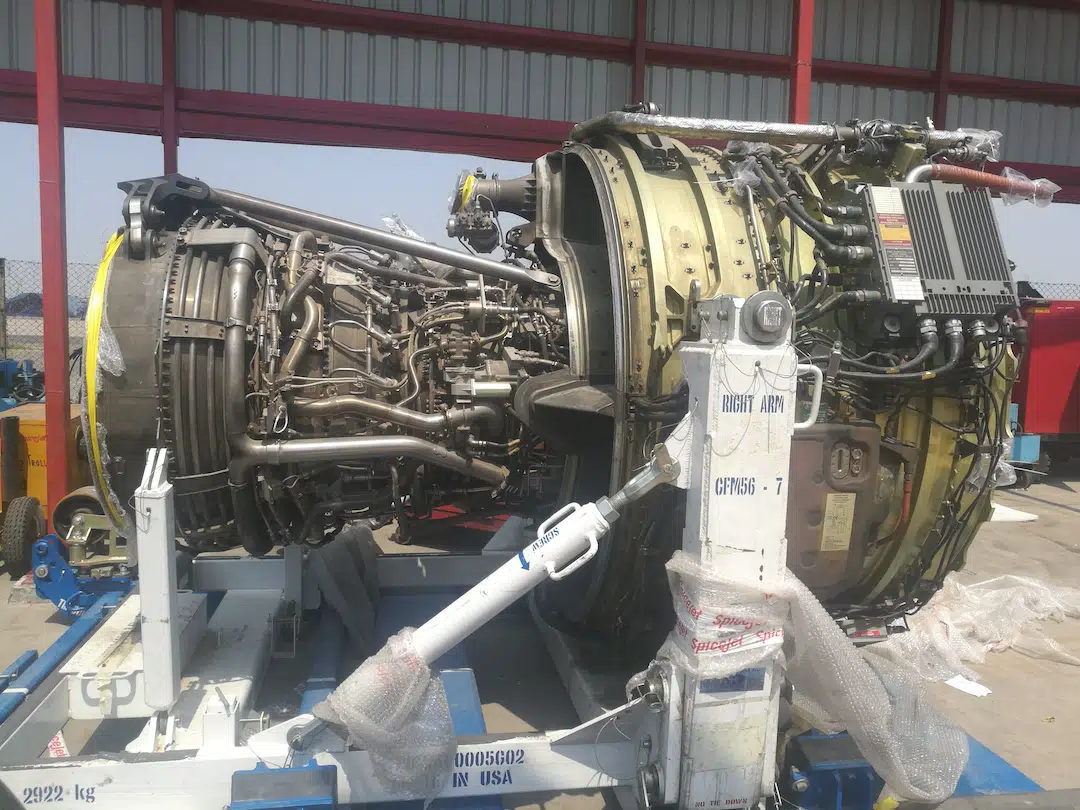
If a lessee returns an aircraft at the end of a lease having consumed significant life on these components without any financial provision, the burden of restoration falls entirely on the owner. Maintenance reserves prevent that outcome by building a fund, component by component, throughout the lease.
How Do Maintenance Reserves Work?
Reserves are calculated and collected by component, each with its own accrual logic. The most common components covered are engines, the airframe heavy check, landing gear, and auxiliary power unit. For each, the lease agreement defines a rate that the lessee pays into the reserve fund on a monthly basis.
“Maintenance reserves are not a maintenance fund that the lessee draws from freely. They are structured entitlements, each claim specific to a qualifying event, governed by the lease agreement, and subject to review.
The rate is derived from the estimated cost of the next scheduled event for that component, divided by the hours or cycles or calendar months remaining until that event falls due. As the aircraft operates, the fund grows. When the qualifying maintenance event occurs, the lessee carries out the work and submits a claim against the reserve, supported by invoices and technical documentation, for reimbursement up to the entitlement under the lease.
The lessor or asset manager reviews the claim, verifies the work scope and cost, and releases the funds accordingly. Any amount remaining in the reserve after the event either rolls forward or is settled per the lease terms.
What Maintenance Reserves Are Not
It is worth being clear on one point. Maintenance reserves are not a maintenance fund that the lessee draws from freely. They are structured entitlements. Each claim is specific to a qualifying event, governed by the lease agreement, and subject to review. The lessee maintains the aircraft; the reserves reimburse eligible costs when the conditions are met.
Voler Haut Aviation
Monitoring maintenance reserves, tracking accruals, reviewing claims, and ensuring the fund position reflects the actual maintenance status of the aircraft, is part of our lease management practice. It requires both technical understanding of the events being funded and financial discipline in how claims are assessed and processed.