Aircraft Lease Management: What It Is, What It Covers, and Why It Matters
A practitioner's guide to the financial, technical, and contractual dimensions of managing leased aircraft assets.
An aircraft lease is not a set-and-forget arrangement. From the day a lease is signed to the day an aircraft is returned, there is a continuous stream of financial, technical, and contractual obligations on both sides. Managing those obligations systematically, independently, and with the right expertise is what aircraft lease management is about.
It is a discipline that sits at the intersection of aviation finance and technical oversight, and one that is often underestimated until something goes wrong.
What Does Aircraft Lease Management Cover?
At its core, lease management tracks everything that the lease agreement commits both parties to, and ensures those commitments are being met throughout the lease term.
On the financial side, this includes rent collection and payment tracking, maintenance reserve monitoring, security deposit management, and cash flow forecasting across the lease term. Every payment has a due date, a rate, and often an escalation mechanism. Every maintenance reserve has a component-linked accrual logic behind it. Keeping these straight, and flagging deviations early, is foundational work that protects the asset owner's financial position.
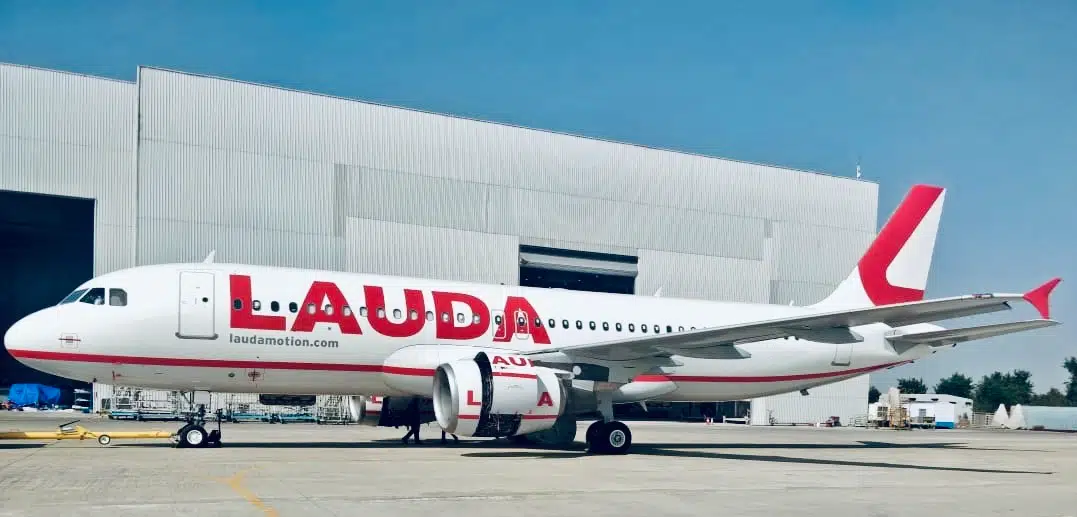
On the technical side, lease management involves monitoring the aircraft's maintenance status, tracking utilisation against agreed parameters, and ensuring the lessee is maintaining the aircraft in accordance with the lease conditions. This requires an understanding of maintenance programmes, component life limits, and what deferred maintenance today means for redelivery costs tomorrow.
What Does an Asset Manager Actually Do?
The asset manager is the owner's eyes and ears throughout the lease, and that role extends well beyond routine monitoring.
In normal course, this means reviewing monthly lessee reports, reconciling maintenance reserve claims against actual work scopes and invoices, and maintaining a live picture of where the asset stands financially and technically at any point in the lease.
“The asset manager's obligation is to the owner and the integrity of the asset, not to preserving a commercial relationship at the expense of either.
But the asset manager's role becomes particularly critical in non-routine situations. In the event of a default, the asset manager coordinates closely with the owner and legal counsel to protect the asset and navigate recovery. In the event of an incident or accident, the asset manager acts as the technical and contractual interface, liaising with the lessee and coordinating with insurance companies to ensure the owner's interests are represented through what can be a complex and time-sensitive process.
Closer to lease end, the asset manager drives the redelivery process, ensuring the aircraft is returned in the condition the lease requires, calculating any maintenance compensation owed, and protecting the owner from accepting an aircraft back in a condition that has already eroded its value.
Why Independent Lease Management Matters

For aircraft owners and investors who are not aviation specialists, independent lease management provides the expertise they do not have in-house. Independence matters because the asset manager's obligation is to the owner and the integrity of the asset, not to preserving a commercial relationship at the expense of either.
Voler Haut Aviation
We operate as a bridge between the financial and technical dimensions of aircraft lease management, two disciplines that are deeply interconnected but rarely managed together with equal rigour. Our practice covers the full lease lifecycle, from financial monitoring and reserve tracking to technical oversight and redelivery management. We conduct annual audits of the aircraft's maintenance status and financial position, giving owners, lessors, and investors a clear, independently verified picture of their asset at regular intervals throughout the lease term.